I Get 215 GitHub Notifications a Day, So I Built a Bot to Triage Them
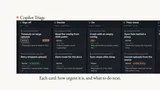
My repositories send me about 215 GitHub notifications a day. Copilot Triage reads them, answers reporters when it can help, and sorts everything that needs me into one board.
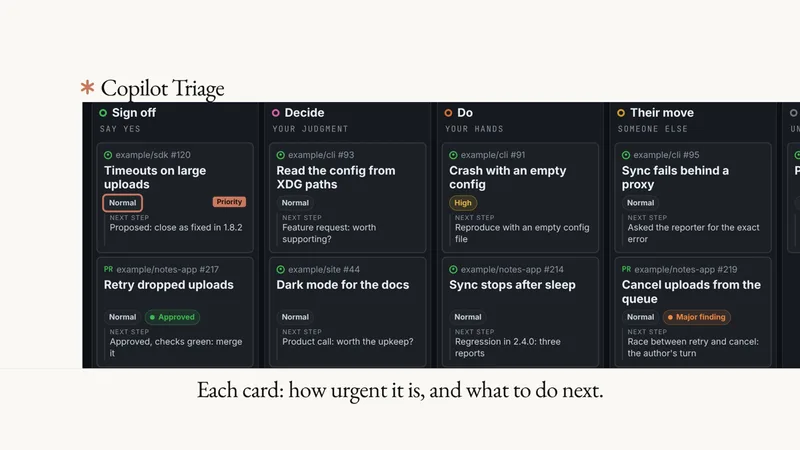
My repositories send me about 215 GitHub notifications a day. Copilot Triage reads them, answers reporters when it can help, and sorts everything that needs me into one board.
RubyLLM 2.1 does what LangChain, LangGraph, and LangSmith do together: an MCP client with per-user OAuth, tool search, typed judgments, evaluations, and OpenTelemetry tracing, in one Ruby gem.
What's new in RubyLLM 2.0: tool approval and durable agents, video, speech, OCR, reranking, provider tools, citations, cost tracking, batches, caching, and the upgrade path from 1.16.

Berlin.rb is a new monthly meetup for Berlin's Ruby community. Free, second Tuesday of every month. The first one is September 8, with talks by Paweł Strzałkowski and I.
RubyLLM 2.0 breaks ask into verbs you can drive yourself: stage a message, call the model once, run tools, step, resume mid-round, and cancel from anywhere.
OpenAI moves to the Responses API by default, while a new provider architecture and gem generator make external providers first-class.

kamal-backup 1.0 brings exact Rails restores, restore drills, and PostgreSQL, MySQL, MariaDB, SQLite, SFTP, and rclone support to Kamal.
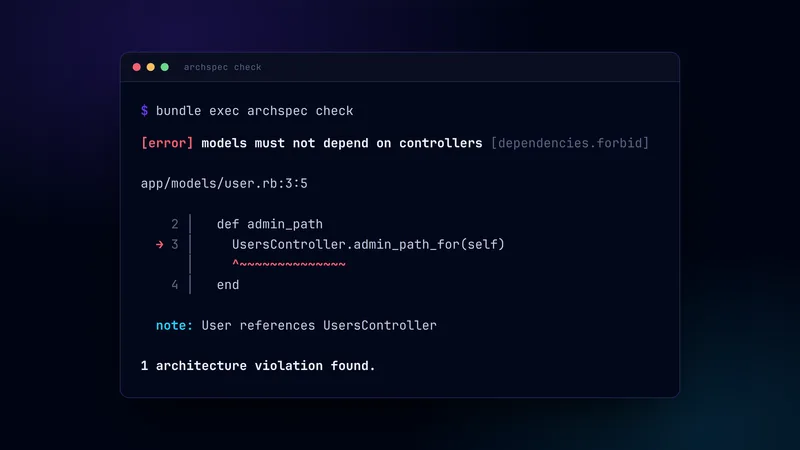
ArchSpec turns your architecture into an executable spec: declare components and boundaries in one Ruby file, and every change gets checked, whether a person or an agent wrote it.
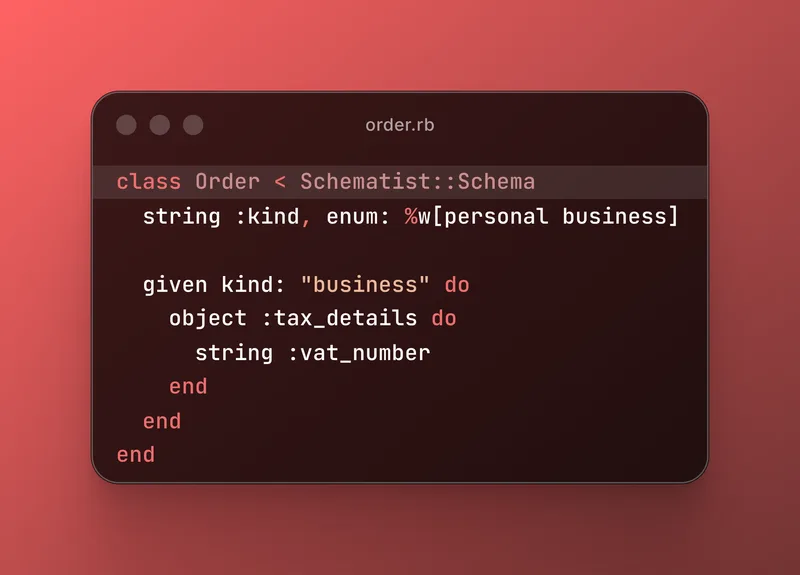
Schematist is a Ruby JSON Schema DSL with full Draft 2020-12 coverage, render-time values, standards-compliant output, and no runtime dependencies.