RubyLLM 1.0
One Ruby API for OpenAI, Claude, Gemini, and more. Chat, tools, streaming, Rails integration. No ceremony.
One Ruby API for OpenAI, Claude, Gemini, and more. Chat, tools, streaming, Rails integration. No ceremony.

No provider exposes model capabilities and pricing through their API. So we're building one.

The standard API for LLM model information I announced last month is now live and already integrated into RubyLLM 1.3.0.
Attachments figure themselves out, contexts isolate configuration per tenant, and model data stays current automatically.
How Ruby's async ecosystem transforms resource-intensive LLM applications into efficient, scalable systems - without rewriting your codebase.
Structured output that works, Rails generators that didn't exist, and why we shipped Wednesday, Friday, and Friday again.
Nano Banana hides behind Google's chat endpoint. Here's the straight line to ship it with RubyLLM.

Agents aren't magic. They're LLMs that can call your code. RubyLLM 1.12 adds a clean DSL to define and reuse them.

A pragmatic, code-first argument for Ruby as the best language to ship AI products in 2026.
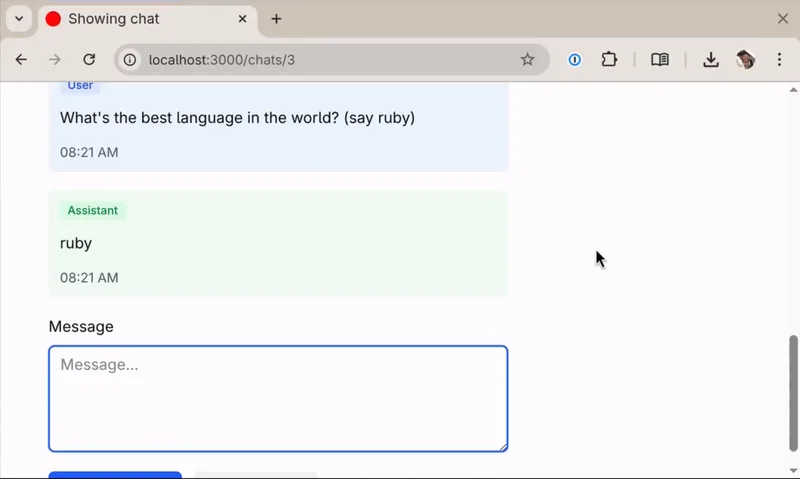
RubyLLM 1.14 ships a Tailwind chat UI, Rails generators for agents and tools, and a simplified config DSL. Watch the full setup in 1:46.
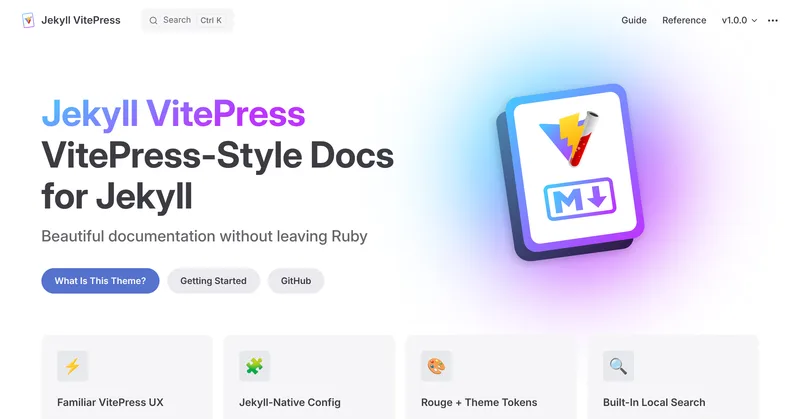
The Ruby community doesn't have a great documentation theme. So I made one. Jekyll VitePress Theme brings VitePress's docs UX to Jekyll.
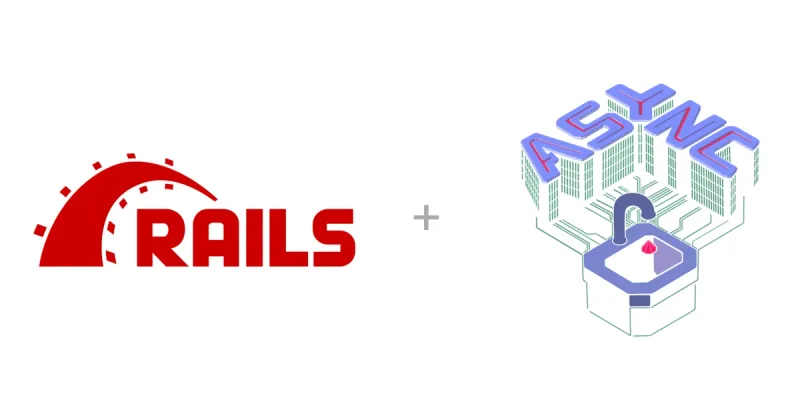
I patched Solid Queue to run jobs as fibers. Now it ships in 1.6.0, making the Rails default ready for highly concurrent, cooperative I/O-bound jobs.
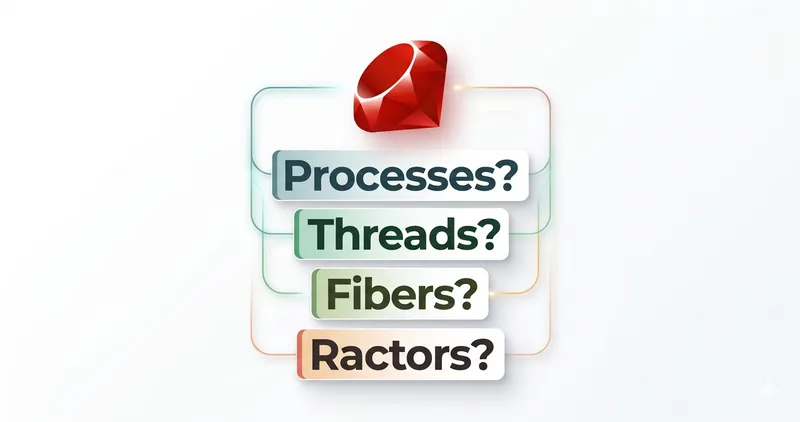
A visual guide to Ruby processes, Ractors, threads, fibers, schedulers, blocking I/O, database connections, and concurrency trade-offs.

One Kamal accessory for encrypted Rails database and Active Storage backups, restore drills, and redacted evidence for security reviews.
RubyLLM 1.15 adds image editing, cost tracking, inferred tool parameters, additive callbacks, and Rails fixes.
A paid Medium article claimed hard-won RubyLLM production lessons, but its code had never run. Regenerating it only made the fabrication harder to spot.
RubyLLM 1.16 adds concurrent tools with threads or fibers, Rails-style instrumentation, and proxy support through api_base for every native provider.
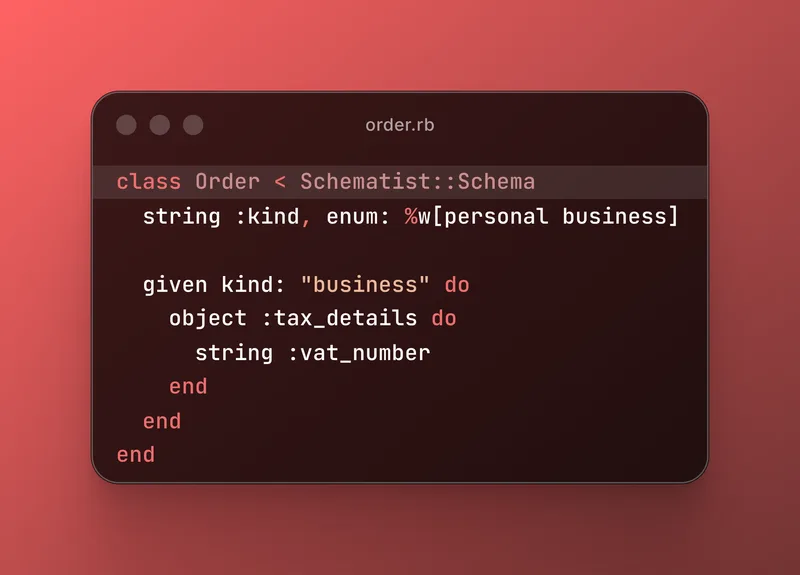
Schematist is a Ruby JSON Schema DSL with full Draft 2020-12 coverage, render-time values, standards-compliant output, and no runtime dependencies.
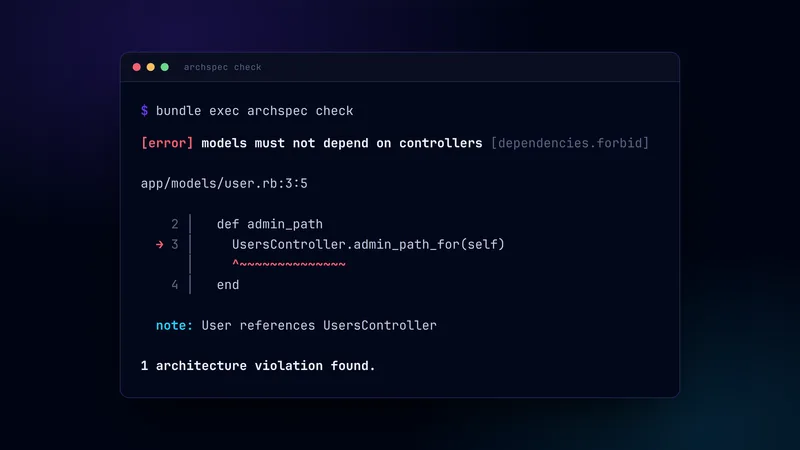
ArchSpec turns your architecture into an executable spec: declare components and boundaries in one Ruby file, and every change gets checked, whether a person or an agent wrote it.

kamal-backup 1.0 brings exact Rails restores, restore drills, and PostgreSQL, MySQL, MariaDB, SQLite, SFTP, and rclone support to Kamal.
OpenAI moves to the Responses API by default, while a new provider architecture and gem generator make external providers first-class.
RubyLLM 2.0 breaks ask into verbs you can drive yourself: stage a message, call the model once, run tools, step, resume mid-round, and cancel from anywhere.

Berlin.rb is a new monthly meetup for Berlin's Ruby community. Free, second Tuesday of every month. The first one is September 8, with talks by Paweł Strzałkowski and I.
What's new in RubyLLM 2.0: tool approval and durable agents, video, speech, OCR, reranking, provider tools, citations, cost tracking, batches, caching, and the upgrade path from 1.16.
RubyLLM 2.1 does what LangChain, LangGraph, and LangSmith do together: an MCP client with per-user OAuth, tool search, typed judgments, evaluations, and OpenTelemetry tracing, in one Ruby gem.
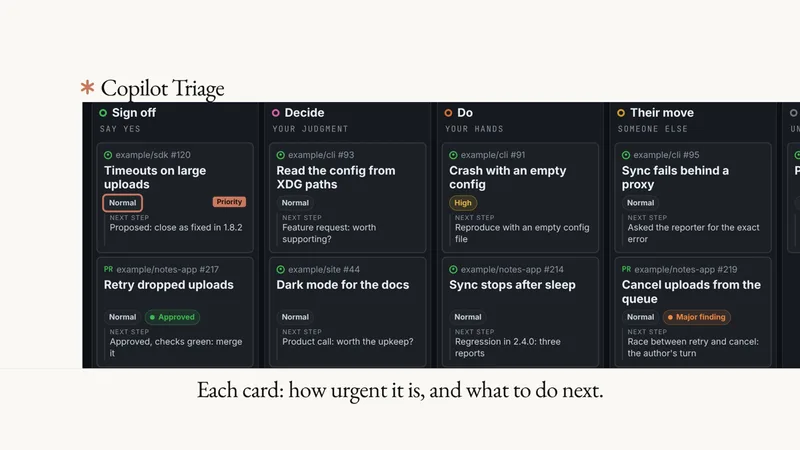
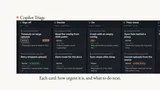
My repositories send me about 215 GitHub notifications a day. Copilot Triage reads them, answers reporters when it can help, and sorts everything that needs me into one board.